A Kenya safari guide for Punjabi speakers can turn a confusing booking process into a clear plan. You do not need to speak English to enjoy a Kenyan safari. But you do need to ask the right questions before you pay. This guide explains how to request a Punjabi-speaking guide, choose the right parks, plan a sensible itinerary, and budget honestly. It also covers seasons, food, entry rules, and safety, so you can compare operators with confidence.
Can You Get a Kenya Safari Guide for Punjabi Speakers?
Yes, but Punjabi-speaking guides are uncommon and must be confirmed before booking. Ask whether the guide is fluent in Punjabi rather than merely Hindi-speaking, request a video or voice introduction, and confirm who will actually accompany your vehicle. If no fluent driver-guide is available, an interpreter paired with an experienced English-speaking guide is the practical alternative.
Searching for a “Punjabi-speaking safari guide in Kenya” will return a few operator pages, but language support is not a standard feature of the Kenyan guide pool. Most professional guides work in English and Swahili. That makes verification essential. Ask for the guide’s name, their licensing details, and a short recorded introduction. A live video call is even better, because it lets you hear their Punjabi and their English.
You also need to know who you are hiring. A driver-guide is the person who drives your safari vehicle and leads your game drives. An interpreter is an extra person who translates while a separate guide drives and manages the wildlife. Both arrangements can work, but the costs are different. If you have elders or children in your group, an interpreter plus an experienced guide may offer the safest blend of language and wildlife knowledge. For a smaller budget, a single driver-guide who speaks Punjabi is simpler.
Before booking, ask how many days that specific guide will stay with your group. Some operators promise a language-friendly guide for the first day and then switch to a different driver. Get the commitment in writing.
What Is a Driver-Guide Versus an Interpreter?
A driver-guide handles the vehicle, the route, the wildlife spotting, and the commentary. An interpreter only translates, and usually sits in the vehicle without driving. If your guide does not speak fluent Punjabi, an interpreter can fill the gap. The trade-off is space, because an interpreter takes an extra seat, and the daily cost, because you pay two people.
Which Kenya Parks and Conservancies Suit Punjabi Families?
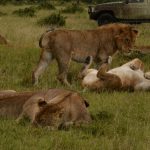
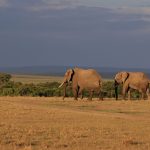
The Masai Mara is the strongest first choice for lions, cheetahs, leopards, and the July-to-October migration. Amboseli adds elephant viewing and Mount Kilimanjaro scenery. Lake Nakuru is useful for rhinos and a shorter Rift Valley circuit. Tsavo suits travelers wanting larger landscapes and fewer visitors. Private conservancies offer quieter drives and walking activities.
Families often ask whether they should stay inside the main national parks or in private conservancies. National parks such as the Masai Mara and Amboseli allow more vehicles and can feel busy in peak season. Private conservancies like Naboisho and Mara North sit beside the Mara but limit vehicle numbers. They also charge separate conservancy fees, which are normally built into your safari quote. Ask for an itemized breakdown so you know what you are paying for.
| Park or Conservancy | Main Wildlife Draw | Best Season | Suggested First-Safari Stay |
|---|---|---|---|
| Masai Mara | Big cats, migration, all Big Five | July to October; January to March for quieter viewing | 3 to 4 nights |
| Amboseli | Elephants, Kilimanjaro views | June to October; January to February for dry weather | 2 nights |
| Lake Nakuru | Rhinos, flamingos when water levels allow | Year-round; drier in January to March and July to October | 1 to 2 nights |
| Tsavo East and West | Elephants, open landscapes, fewer crowds | June to October | 2 nights |
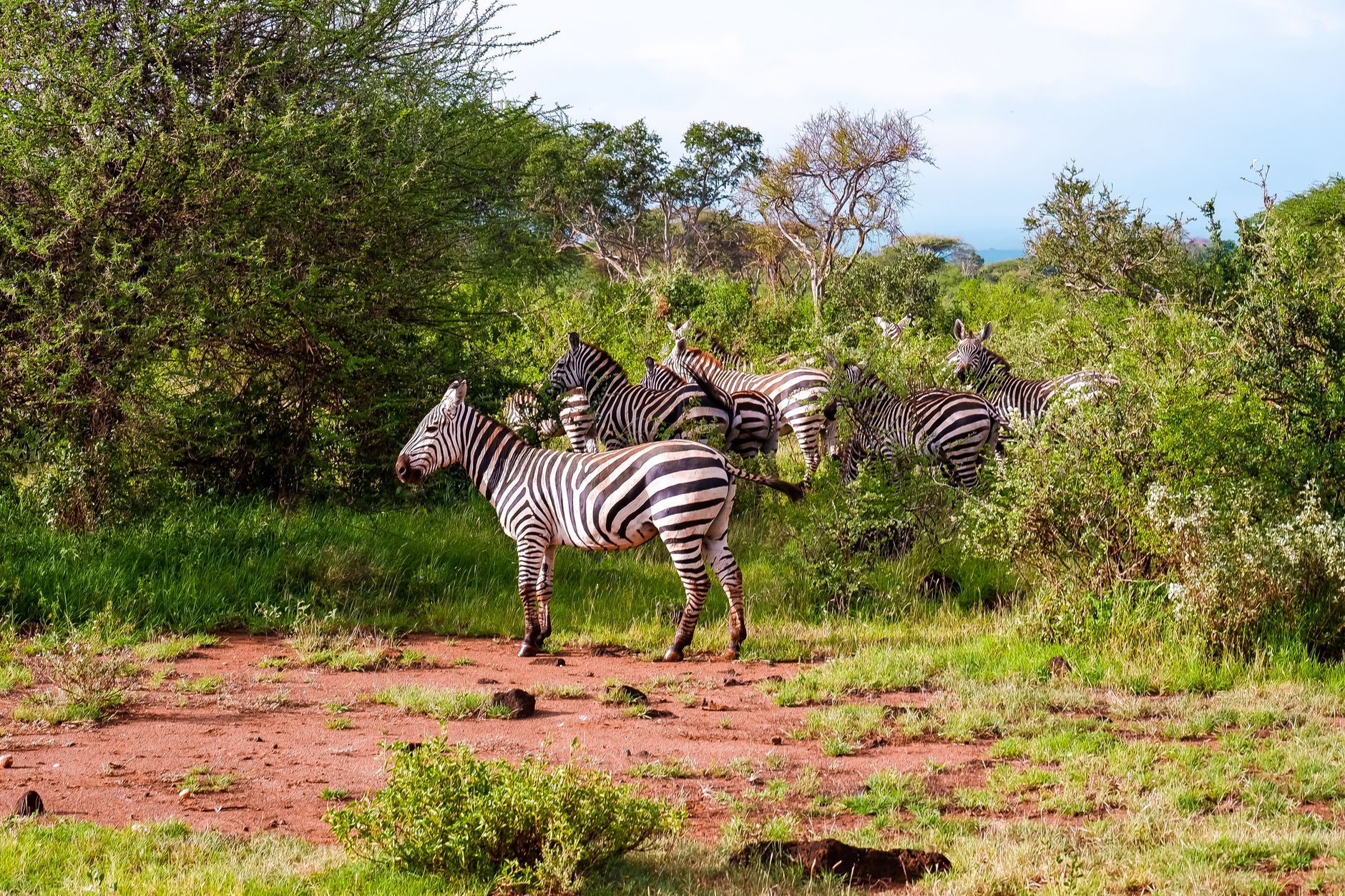
| Samburu | Reticulated giraffe, Grevy’s zebra, Beisa oryx | Year-round; drier in January to March and June to October | 2 nights |
| Naboisho or Mara North | Quiet game drives, walking safaris, big cats | June to October; January to March for fewer vehicles | 3 nights |
Need help choosing between the two most popular parks? Our Masai Mara guide and Amboseli safari guide give practical details on terrain, wildlife, and daily pacing. For travelers who prefer a shorter Rift Valley stop, the Lake Nakuru guide explains how to combine it with a Mara trip.
How Many Days Do You Need for a Kenya Safari Itinerary?
Most Punjabi travelers should fly from Delhi to Nairobi, then take a 45-to-60-minute domestic flight to a Mara airstrip or drive roughly five to six hours. A balanced first safari usually takes five to seven nights: Nairobi, Amboseli or Lake Nakuru, and the Masai Mara. Flying between parks reduces tiring road transfers, especially for elders and children.
A seven-night itinerary is the most comfortable for a first safari. A common plan looks like this:
- Night 1 in Nairobi, to recover from the flight
- 2 nights in Amboseli, for elephants and Kilimanjaro views
- 4 nights in the Masai Mara or a Mara conservancy, for big cats and the migration
If you have less time, skip Amboseli and spend 2 nights at Lake Nakuru before flying to the Mara. That keeps road days short and still gives you rhinos, flamingos in good years, and the Mara’s open plains. If your family includes older parents or young children, flying between parks is worth the extra cost. Road transfers can be long, especially on the rough sections near the Mara.
For families traveling together, planning a multigenerational Kenya safari helps match activities, rest days, and vehicle space to different ages and energy levels.
When Is the Best Time for a Kenya Safari and the Great Migration?
July to October is the easiest period for dry-weather game viewing and the busiest migration season, with Mara River crossings most likely in August and September. January to March is often better for fewer crowds, warm weather, and predator sightings around newborn animals. April and May can lower prices but bring muddy roads, heavier rain, and more difficult transfers.
The Great Migration is not a single event. Huge herds move through the Serengeti and the Masai Mara throughout the year. Crossing the Mara River is dramatic but not guaranteed on any given day. If you want the best chance, plan for August or September and stay at least three nights in the Mara. Even without a crossing, the herds and the predators they attract make the Mara worthwhile.
If your dates are flexible, think about what matters most. Families wanting dry roads and reliable wildlife viewing should choose July to October. Travelers who prefer quieter camps and lower prices can use January to March. The best time to visit Masai Mara page breaks down each season month by month.
How Much Does a Kenya Safari Cost With a Punjabi-Speaking Guide?
A realistic private mid-range safari commonly costs about USD 400 to 600 per person per day before international flights, while luxury private-conservancy trips can exceed USD 700 per person per day. A Punjabi-speaking guide may add roughly USD 20 to 60 daily, depending on fluency and availability. Confirm whether accommodation, vehicle, conservation fees, park fees, and flights are included.
These are indicative ranges, not fixed prices. Kenya’s safari prices move with the season, the camp standard, and the number of people in your vehicle. A private safari with one vehicle costs more per person than joining a group. A six-person vehicle spreads the guide and vehicle cost across the family, which often makes private safaris more affordable for larger Punjabi families.
Always ask for a written quote that lists:
- International and domestic flights
- Accommodation and meals
- Park fees and conservancy fees
- Vehicle and driver-guide costs
- The language premium, if any
- Emergency evacuation cover, if available
The total daily rate matters more than the guide premium. A very cheap quote may hide extra fees or a guide who does not speak Punjabi. Our Kenya safari cost guide explains what to compare before you sign.
How Should Punjabi Families Handle Food and Communication on Safari?
Vegetarian food is widely manageable when requested in advance, but travelers needing Jain meals, no onion or garlic, halal preparation, or familiar Punjabi dishes should provide written requirements before arrival. Carry translated dietary notes and confirm supplies at remote camps. A Punjabi-speaking guide can help with communication, but the lodge still needs advance notice for menus and ingredients.
Most safari lodges cook fresh meals on site and can adapt to vegetarian diets. Jain cooking is harder, because it often requires separate utensils and ingredients. Kosher and halal preparation is also uncommon at remote camps, though some upmarket lodges can arrange it with notice. Do not assume that a lodge’s “vegetarian” option meets your needs. Send a clear list of allowed and avoided foods to the operator before you book.
For language support, keep a small card with key phrases in English and Swahili. Write down allergies, religious food rules, and preferred dishes. Ask the camp manager to confirm each day’s menu with you. If a dietary mistake happens, tell the camp immediately so they can adjust the next meal. Our guide on how safari camps handle dietary mistakes shows what to expect and what to request before arrival.
What Are Kenya’s Entry Requirements, Health Rules, and Safety Basics?
Indian passport holders generally need Kenya’s electronic travel authorization before departure, and the passport should normally have at least six months of validity and a blank page. Check current government requirements before flying, including yellow-fever rules based on the previous country visited. On safari, follow guide instructions, never approach wildlife, and use extra care on wet-season roads.
Kenya’s eTA system is separate from a visa on arrival. Apply online before you fly and keep a copy of the approval with your passport. Rules can change, so confirm with the Kenyan embassy or official immigration website shortly before your trip. Yellow-fever vaccination requirements depend on your travel history, not just your passport. Your doctor or a travel clinic can advise.
Health planning matters too. Carry any prescription medicines in your hand luggage, with a copy of the prescription. Malaria is present in many safari areas, so talk to a travel health professional about prevention. For serious emergencies, evacuation cover is important, especially if you plan to visit remote conservancies. Our Kenya safari insurance and evacuation cover guide explains what to look for in a policy.
On game drives, stay seated unless your guide says otherwise. Do not stand up in an open vehicle near animals. Keep your voice low near wildlife, and never block an animal’s path. Rainy season roads can become slippery, so listen to your guide’s advice about route changes.
What Do First-Time Safari Travelers Ask?
Do Kenya Safari Guides Speak Punjabi?
A small number of Kenya safari guides may speak Punjabi, but it is not a standard language in the guide pool. Most professional guides speak English and Swahili, so Punjabi fluency should be requested and verified before booking rather than assumed.
Can I Book a Punjabi-Speaking Safari Guide in Kenya?
Yes, if an operator confirms availability for your dates. Ask for the guide’s name, language level, voice or video introduction, licensing details, and whether that person will be your driver-guide for the entire safari. Book several months ahead for July-to-October travel because multilingual guide supply is limited.
How Much Does a Punjabi-Speaking Safari Guide Cost in Kenya?
A Punjabi-speaking guide may cost about USD 20 to 60 more per day than a standard guide, depending on fluency and availability. The total safari price also depends on the vehicle, accommodation, park or conservancy fees, flights, season, and whether the guide is a driver-guide or a separate interpreter.
Do I Need to Speak English to Go on a Safari in Kenya?
No. Travelers can enjoy a Kenya safari by booking a guide who speaks their language or by using an interpreter and translation tools. Confirm language support before arrival because English and Swahili are the dominant working languages for guides, lodges, drivers, and park services.
What Is the Best Time to Visit Kenya for Safari?
July to October is best for dry conditions, concentrated wildlife, and the possibility of seeing the Great Migration in the Masai Mara, although it is also the busiest and most expensive period. January to March offers a quieter alternative with strong predator viewing, while April and May are wetter and can make roads difficult.
How Should You Compare Safari Operators for Punjabi-Speaking Guides?
Ask each operator for the exact guide who will join you, their fluency, and a short recorded introduction. Confirm whether that person stays with you for the whole trip. Then compare the total package, including flights, park and conservancy fees, meals, and vehicle type.
When you are ready, browse packages through FindMySafari, Valley Safaris, or Trunktrails Safaris. Compare operators side by side and ask each one the language questions from this guide before you pay a deposit. A clear written quote with the guide’s name and language confirmed is the best protection you can have.
Where Can You Find More Safari Planning Resources?
These partner sites offer additional planning detail and package comparisons worth checking before you book.
- Kenya safari packages from SafariPure
- Kenya wildlife tours from Trunktrails Safaris
- Best time to visit Kenya month-by-month map from Valley Safaris
- Compare Kenya safari packages on FindMySafari